99% Peptide Purity in Research Sourcing
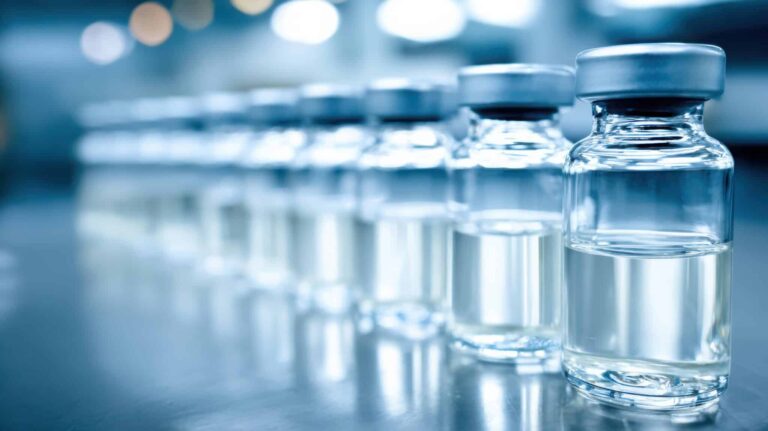
Learn what 99% peptide purity means, how HPLC and mass spectrometry measure it, and what researchers should verify when reviewing a peptide COA for sourcing.
You are currently shipping to Canada and your order will be billed in CAD $.

Learn what 99% peptide purity means, how HPLC and mass spectrometry measure it, and what researchers should verify when reviewing a peptide COA for sourcing.

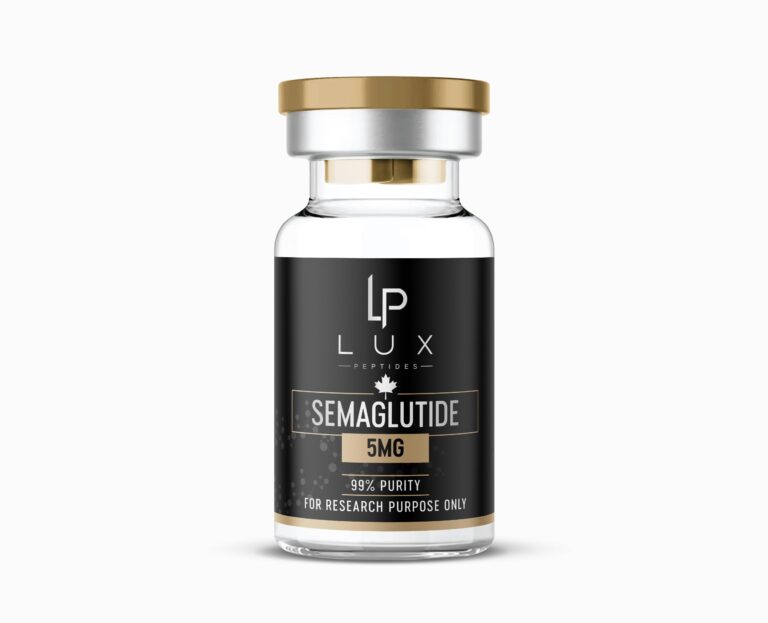
Semaglutide for researchers: three changes to native GLP-1, its receptor signalling, and comparisons with dual and triple agonists.

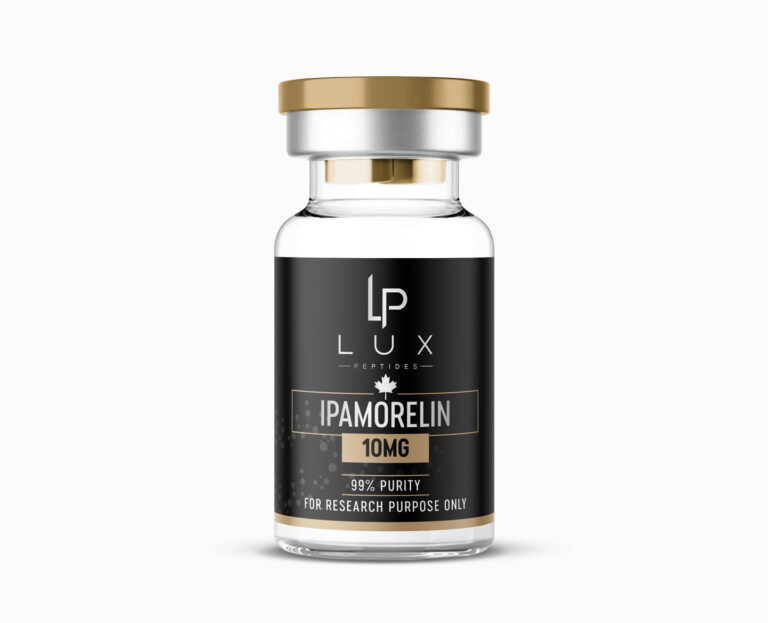
Ipamorelin explained for Canadian labs: its five-residue sequence, ghrelin receptor selectivity, and laboratory research considerations.

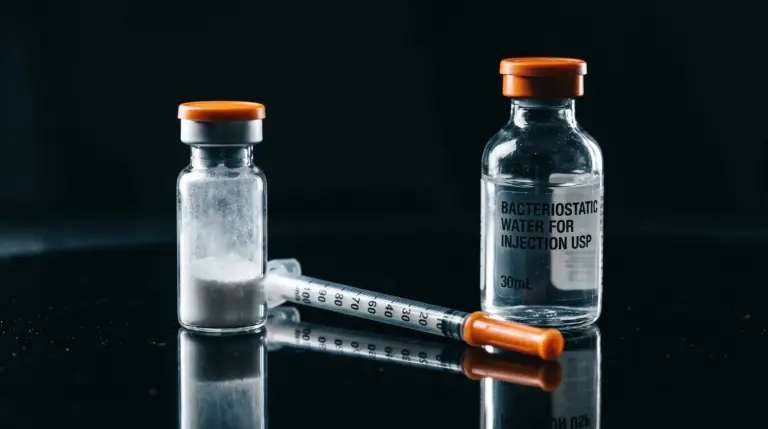
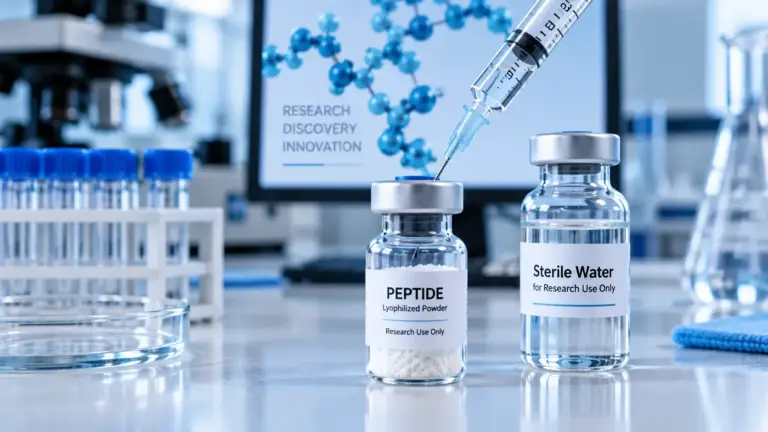
Learn how peptide reconstitution and bacteriostatic water are understood in research labs, including solvent choice, stability, sterility and documentation.

Learn what Research Use Only labelling means in Canada, how intent affects regulation, and why RUO or not for human consumption is not a shortcut.

A laboratory-focused overview of glassware, plastics, filters, tips, vials and documentation considerations for peptide handling workflows.

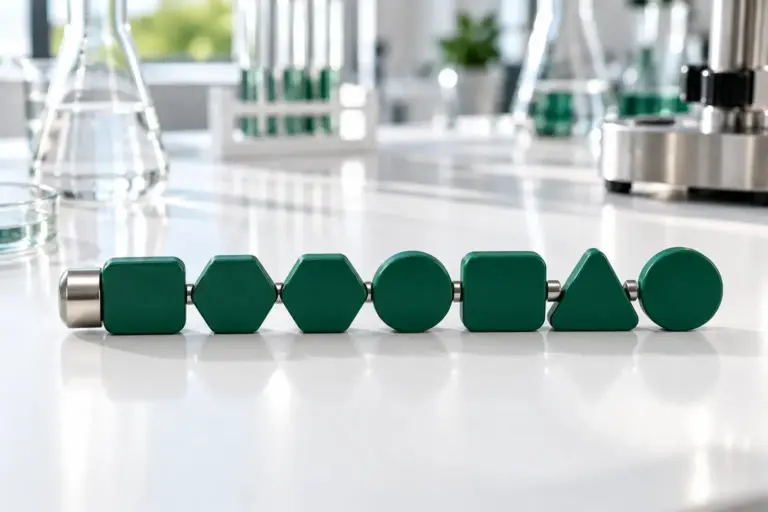
Learn how peptide sequences use single-letter and three-letter amino acid codes, including directionality, termini, modifications and common notation errors.

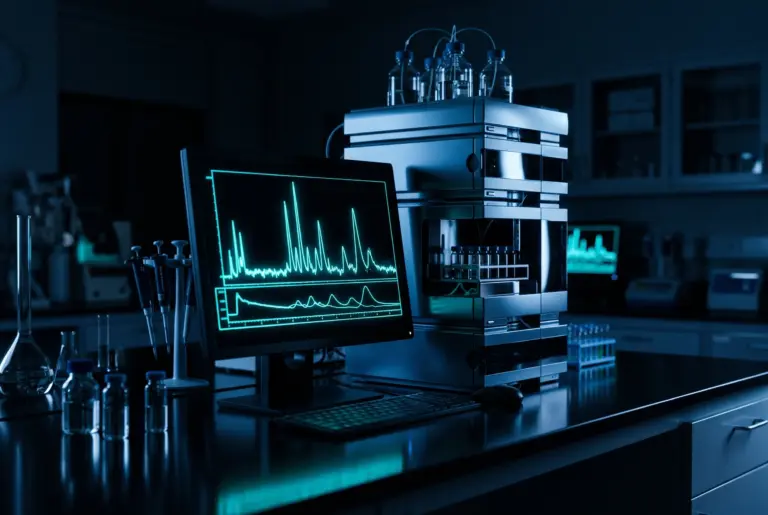
Learn how HPLC and mass spectrometry verify peptide identity, purity, and impurities, and why analytical limits matter in research laboratory workflows.

Learn why peptide laboratories often choose bacteriostatic water over sterile water, focusing on preservatives, contamination control and research handling.

Learn how lyophilisation removes water from peptide preparations, why freeze-drying is used in research, and what stability limits researchers consider.