Peptide Molecular Weight, Sequences and CAS Numbers
Learn how peptide molecular weight, amino acid sequences and CAS numbers are used to identify research peptides, compare records and interpret laboratory data.
You are currently shipping to Canada and your order will be billed in CAD $.

Learn how peptide molecular weight, amino acid sequences and CAS numbers are used to identify research peptides, compare records and interpret laboratory data.

Learn sterile peptide handling practices for research labs, including aseptic technique, contamination control, storage, documentation and workflow limits.

Learn how cold-chain storage, temperature, moisture and freeze-thaw control affect lyophilised peptide stability in research laboratory workflows and QC.

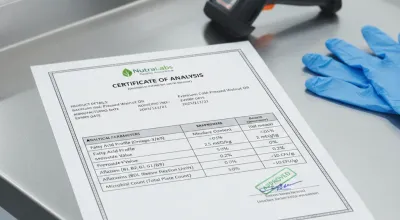
Learn how researchers read a third-party certificate of analysis, including identity, purity, assay methods, batch matching and common red flags for peptides.

Retatrutide explained for researchers: its three receptor targets, lipidated 39-residue design, and laboratory documentation considerations.

BPC-157 explained for Canadian labs: its 15-residue sequence, gastric origin, research into signalling pathways, and batch documentation.

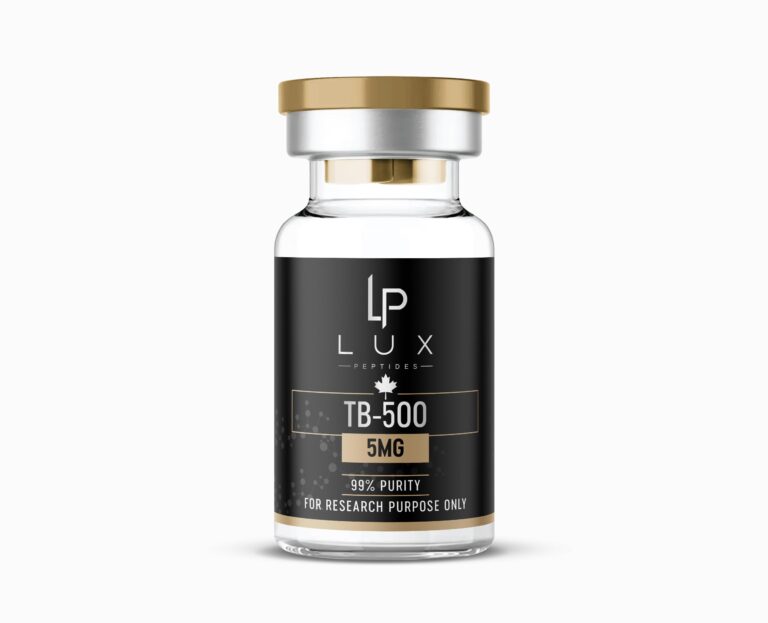
What TB-500 means, how it relates to thymosin beta-4, and why molecular identity matters when interpreting cell migration research.

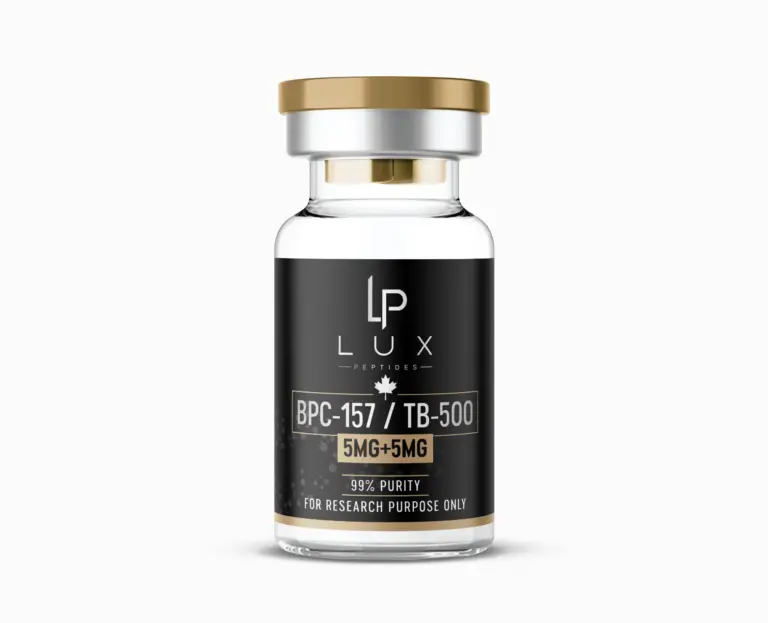
Explore BPC-157 and TB-500 blend research, the limits of comparing their mechanisms, and what analytical documentation should establish.

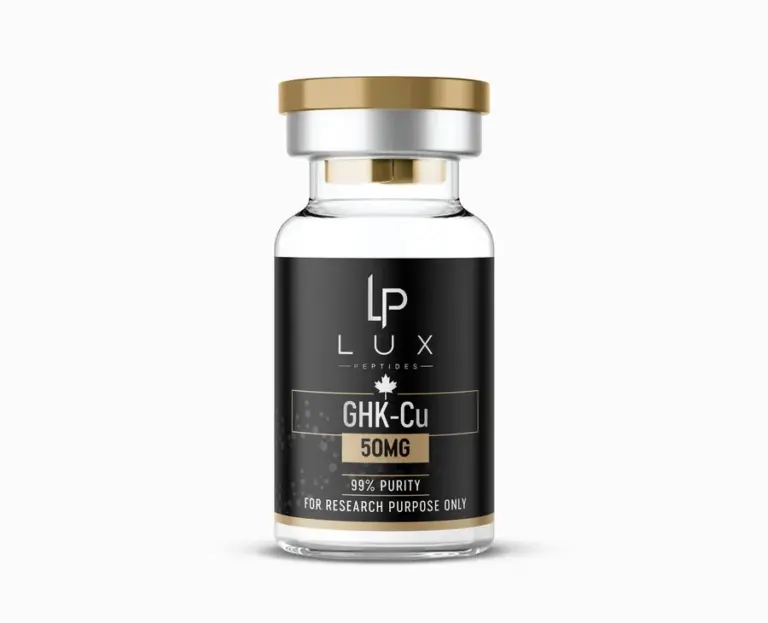
GHK-Cu explained: copper binding by a three-residue peptide, its discovery in human plasma, and the laboratory research it has prompted.

Tirzepatide for researchers: dual GIP and GLP-1 receptor activity, its GIP-based backbone and lipid chain, and laboratory research questions.