Peptide Research Record-Keeping Standards
Learn documentation standards for peptide research, including chain of custody, analytical records, deviations, data integrity, and Canadian compliance basics.
You are currently shipping to Canada and your order will be billed in CAD $.

Learn documentation standards for peptide research, including chain of custody, analytical records, deviations, data integrity, and Canadian compliance basics.


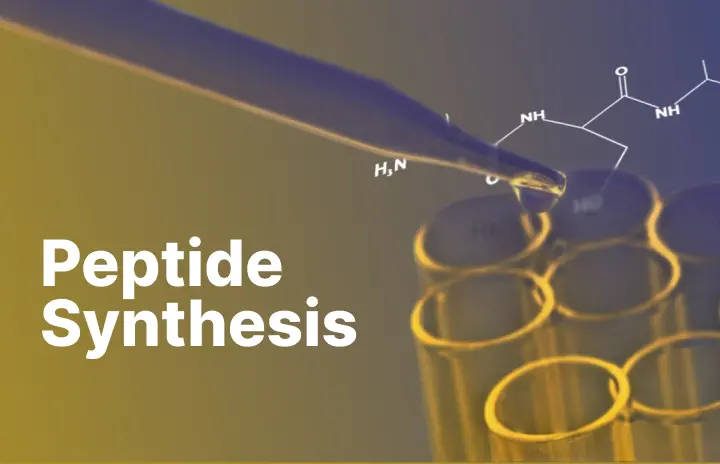
Learn how solid-phase peptide synthesis builds research peptides, including coupling, deprotection, cleavage, purification and analytical controls.

Learn how peptide identity, purity, storage, assay design, matrices and reporting practices can introduce variability in laboratory peptide research studies.

A Canadian research-focused overview of RUO labelling, regulatory context, product intent and limits on interpreting peptide research.

Learn how peptide molecular weight, amino acid sequences and CAS numbers are used to identify research materials and interpret scientific records with common limitations.

Learn how temperature, moisture, oxygen, light and handling affect lyophilised peptide stability in research laboratory cold-chain storage workflows and shipping.

Learn how researchers review a third-party certificate of analysis, including identity, purity, assay methods, batch data, reporting limits, and red flags.

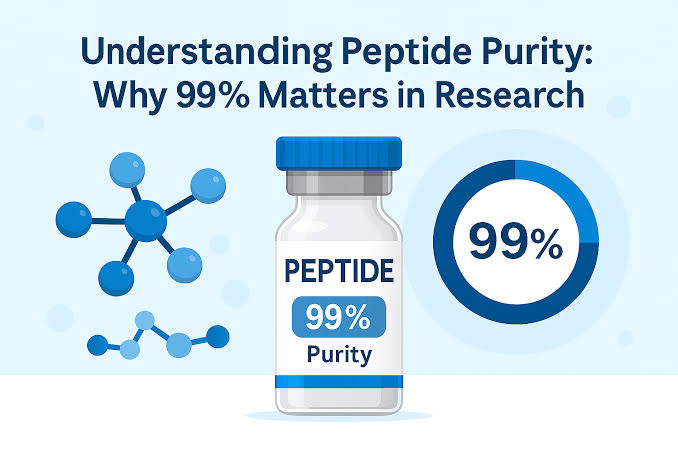
Learn what 99% peptide purity means, how HPLC and mass spectrometry assess it, and why purity, identity, and handling records matter in research sourcing.

Learn how peptide reconstitution, solvent choice, pH, sterility, and bacteriostatic water are discussed in laboratory research and quality-control contexts.

Understanding BPC-157 Research BPC-157 is a 15-amino-acid peptide investigated across a variety of laboratory, animal and limited human research settings. Much of the scientific interest surrounding BPC-157 comes from studies examining cellular signalling, vascular biology and tissue responses. However, the…